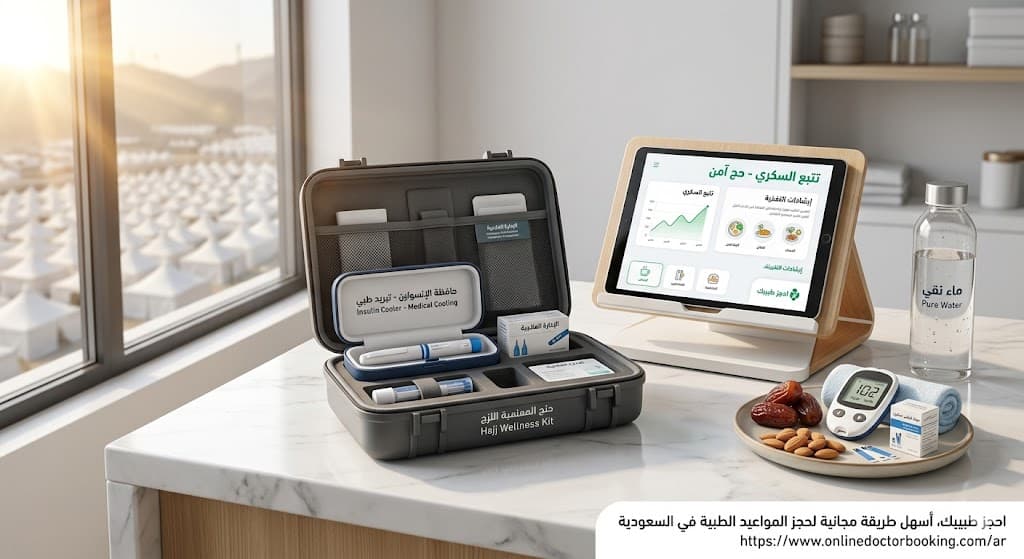
Diabetics During Hajj: Guide to Proper Nutrition, Medication Management, and Preventing Sudden Hypoglycemia
A comprehensive medical guide for diabetic pilgrims during Hajj, detailing clinical nutritional adjustments, insulin temperature tracking, and preventive tactics against physical exertion risks.
Performing Hajj is a profound spiritual journey that requires intensive physical and muscular exertion, presenting unique health challenges for pilgrims managing chronic illnesses, particularly diabetes. Family medicine and endocrinology specialists emphasize that mindful nutritional awareness and strict adherence to prescribed medical protocols are the core milestones for completing the rituals safely.
1. Medical Nutritional Therapy for Diabetic Pilgrims
Balanced nutrition serves as the primary shield against unstable blood glucose fluctuations during Hajj. Pilgrims are highly advised to consume regular main meals and snacks throughout the day, focusing on complex carbohydrates and high-fiber foods found in whole grains and vegetables for sustained energy. It is essential to avoid street food, limit simple sugars, and minimize saturated fats to prevent acute spikes, while always carrying a fast-acting snack (like dates or biscuits) to address sudden hypoglycemia immediately.
2. Medication Administration and Travel Temperature Tracking
The physical exertion of Tawaf and Sa'ee demands a precise adjustment of medication and insulin dosages, coordinated well in advance with a specialized physician. Pilgrims must track their blood sugar levels routinely—before and after every ritual. Furthermore, clinical experts stress the absolute necessity of storing insulin pens in dedicated cooling cases (mini travel coolers) to prevent spoilage from high ambient temperatures at the holy sites, ensuring scheduled doses are never missed.
3. Preventing Clinical Complications and Infections
To protect feet from ulcers and infections (diabetic foot) driven by long-distance walking, pilgrims must wear well-fitted orthopedic shoes and breathable cotton socks, avoiding walking barefoot under any circumstances. Additionally, dehydration is a major clinical threat; thus, drinking plenty of pure water regularly is mandatory. Carrying a medical ID card stating one's condition alongside strategic glucose tracking secures a safe, clinically stable Hajj pilgrimage.
Early medical preparation and adherence to nutritional guidelines are your definitive pathways toward executing your rituals with strength, vitality, and peace of mind.
Preparing for Hajj and looking for a personalized medical plan to regulate diabetes and doses?
Book the Best Family Medicine and Diabetologist for Free Now via the Platform