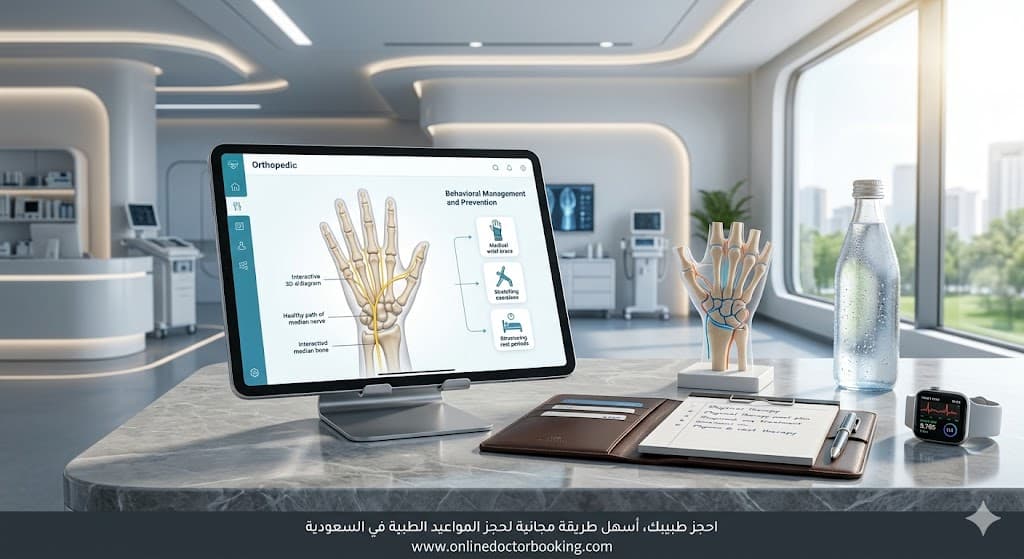
Carpal Tunnel Syndrome: Clinical Symptoms, Structural Triggers, and Modern Preventive Care
Learn about carpal tunnel syndrome and the causes of severe wrist compression symptoms, with practical medical and behavioral guidance from an orthopedic and rheumatology consultant who prevents sweating difficulties.
Carpal Tunnel Syndrome (CTS) is a highly prevalent and disruptive neuro-structural disorder routinely encountered in orthopedic, joint, and rheumatology clinics across the Kingdom. Far from being a minor transient discomfort in the hand, CTS represents a direct mechanical compression of the median nerve as it travels through the narrow fibro-osseous carpal tunnel in the wrist. This entrapment compromises sustainable neurological and motor functionality, demanding structured, specialized clinical monitoring to prevent permanent secondary muscle atrophy.
1. Clinical Presentation and Warning Indicators of Nerve Entrapment
The clinical presentation of carpal tunnel syndrome involves multifaceted sensorimotor symptoms that fluctuate based on the severity of the mechanical load on the median nerve. Landmark signs include a pervasive sense of paresthesia, burning numbness, and tingling localized within the palmar aspect of the thumb, index, and middle fingers, which characteristically intensifies during nocturnal hours, leading to significant sleep architecture disruption. Concurrently, patients experience retrograde pain radiating into the forearm, alongside progressive thenar weakness that limits manual dexterity and fine motor control.
2. Structural Triggers and Pathophysiological Risk Factors
Erythrocyte and musculoskeletal median nerve inflammation stems from an integration of repetitive mechanical strain and anatomical volume reductions within the wrist canal, frequently accelerated by prolonged ergonomics deficits during digital device usage or precision labor. Systemic risk factors—such as uncontrolled diabetes mellitus, systemic rheumatoid arthritis, hormonal fluctuations during gestational phases, obesity, and post-traumatic wrist fractures—heavily compound the severity of synovial thickening and fluid retention barriers.
3. Clinical Therapeutics and Long-Term Prevention Milestones
Proactive behavioral adjustments combined with conservative joint stabilization serve as the definitive cornerstones for decreasing intracarpal pressure and restoring nerve conduction velocity. Modern therapeutic management focuses on implementing rigid neutral-angle wrist splinting protocols, particularly during sleep intervals, alongside strict avoidance of high-repetition tasks. Concurrently, orthopedic specialists prescribe targeted non-steroidal anti-inflammatory drugs (NSAIDs) or neurotropic vitamin B complexes, paired with supervised neurodynamic gliding exercises and structured physical therapy tracking.
Securing long-term musculoskeletal and neuro-vascular vitality relies entirely on your everyday physiological and physical awareness; understanding your mechanical and metabolic triggers remains your definitive pathway toward a healthy, active, and balanced lifestyle.
Experiencing chronic hand numbness or persistent wrist pain that alters your productivity and seeking a specialized diagnostic plan?
Book the Best Orthopedic Specialist for Free Now via the Platform