Knee Osteoarthritis: Clinical Symptoms, Common Triggers, and Modern Management Solutions
تعرّف على متلازمة خشونة الركبة وأبرز محفزاتها الميكانيكية، مع إرشادات طبية عملية من استشاريي العظام والروماتيزم للوقاية وتخفيف الألم وحماية المفاصل بفعالية.
Knee osteoarthritis is a highly prevalent and central musculoskeletal disorder routinely encountered in orthopedics and rheumatology clinics across the Kingdom. Rather than a temporary condition, osteoarthritis represents a chronic degenerative state of the joint cartilage that causes the protective smooth tissues covering the bone surfaces to wear away progressively. This baseline restriction compromises the sustainable mobility of the joint, altering daily physical activity and overall quality of life if left without a structured medical tracking protocol.
1. Clinical Presentation and Landmark Warning Indicators
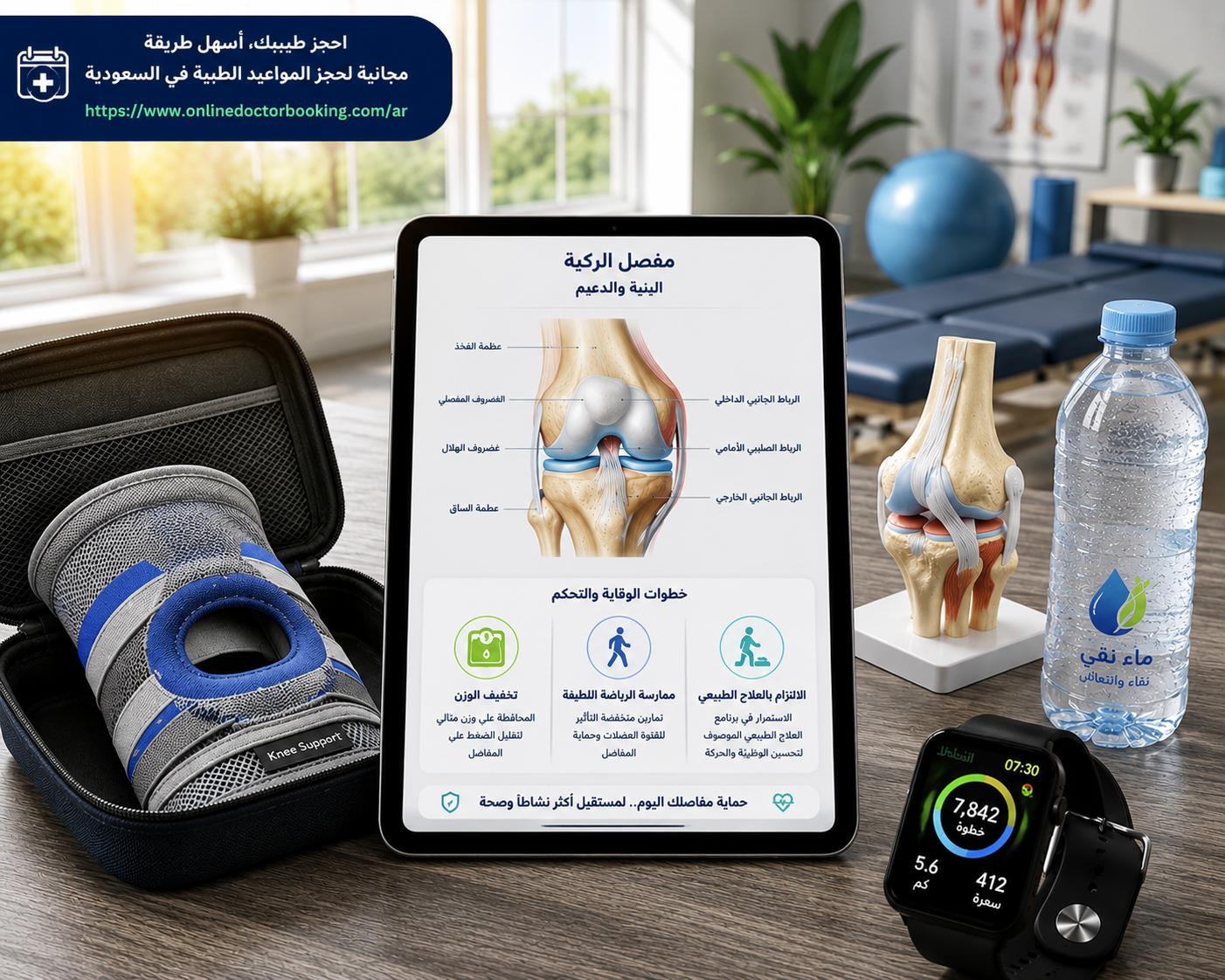
The clinical presentation of knee osteoarthritis involves multifaceted indicators that vary in intensity based on the stage of cartilage erosion. Characterized landmarks include acute joint pain that intensifies during stair climbing or long-distance walking, persistent joint stiffness particularly upon waking in the morning, and an audible grating or crackling sound (crepitus) during flexion. Concurrently, localized swelling induced by synovial fluid buildup serves as a primary indicator of ongoing joint inflammation, demanding regular clinical management.
2. Mechanical Triggers and Modern Risk Factors
Joint degeneration stems from an integration of biological homeostasis disruptions and external risk factors. Age-related cartilage changes and reduced chondrocyte efficiency play a pivotal role in limiting joint recovery. Furthermore, excess body weight (obesity) places significant mechanical and hydraulic strain on lower limb structures, accelerating tissue stress. Concurrently, sedentary lifestyles, quadriceps muscle weakness, and prior joint traumas—such as ligamentous tears or meniscal injuries—compromise joint stability and accelerate degeneration paths.
3. Clinical Therapeutics and Long-Term Prevention Milestones
Proactive behavioral adjustments combined with strict adherence to customized medical protocols serve as the foundational cornerstones for maintaining joint control and protecting long-term mobility function. Modern management focuses on weight reduction to diminish joint load alongside physical therapy regimens designed to reinforce supporting musculature under physician oversight. Specialists highly advocate for utilizing topical anti-inflammatory agents, intra-articular injections (hyaluronic acid or PRP), and scheduling routine check-ups to track functional capacity.
Securing optimal joint vitality relies heavily on your everyday physical awareness; understanding your mechanical triggers remains your definitive pathway toward a healthy, active, and balanced lifestyle.
Experiencing persistent knee pain or stiffness during movement and seeking a specialized orthopedic care plan?
Book the Best Orthopedic Specialist for Free Now via the Platform